Семінар 3. Міжнародний семінар «Підходи до освіти в дитячому садку та школі» зосередив увагу на інклюзивних практиках та ранньому втручанні
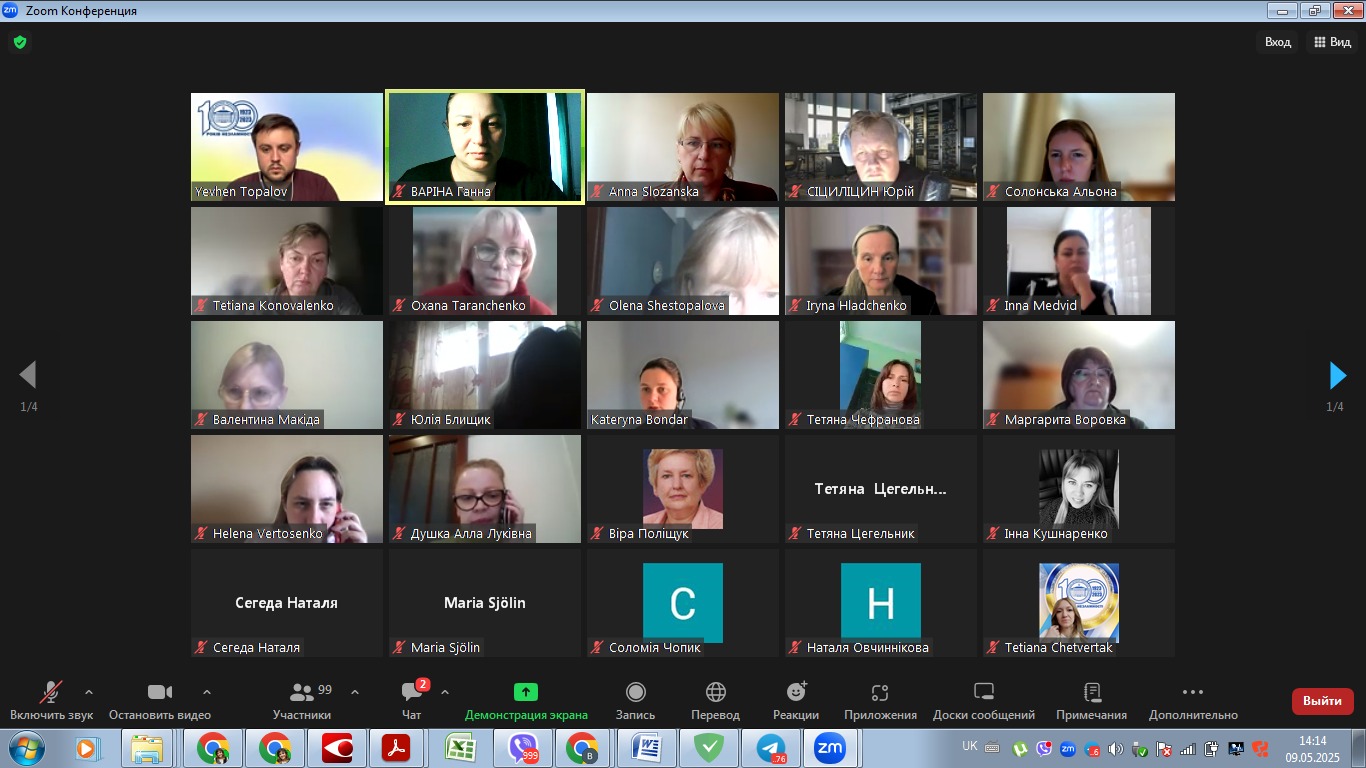
9 травня у форматі онлайн відбувся міжнародний семінар на тему «Підходи до освіти в дитячому садку та школі», організований у межах проєкту “Enhancing the Participation and Ensuring the Right to Education for Children with Intellectual Disability: Developing Capacities and Opportunities (EPERE)”. Захід проходив на платформі ZOOM і супроводжувався синхронним перекладом українською та англійською мовами. Модерувала семінар професорка Ганна Слозанська з Тернопільського національного педагогічного університету імені Володимира Гнатюка.
Учасники семінару мали змогу ознайомитися з передовими практиками у сфері інклюзивної освіти, які були представлені провідними фахівцями з України та Швеції.
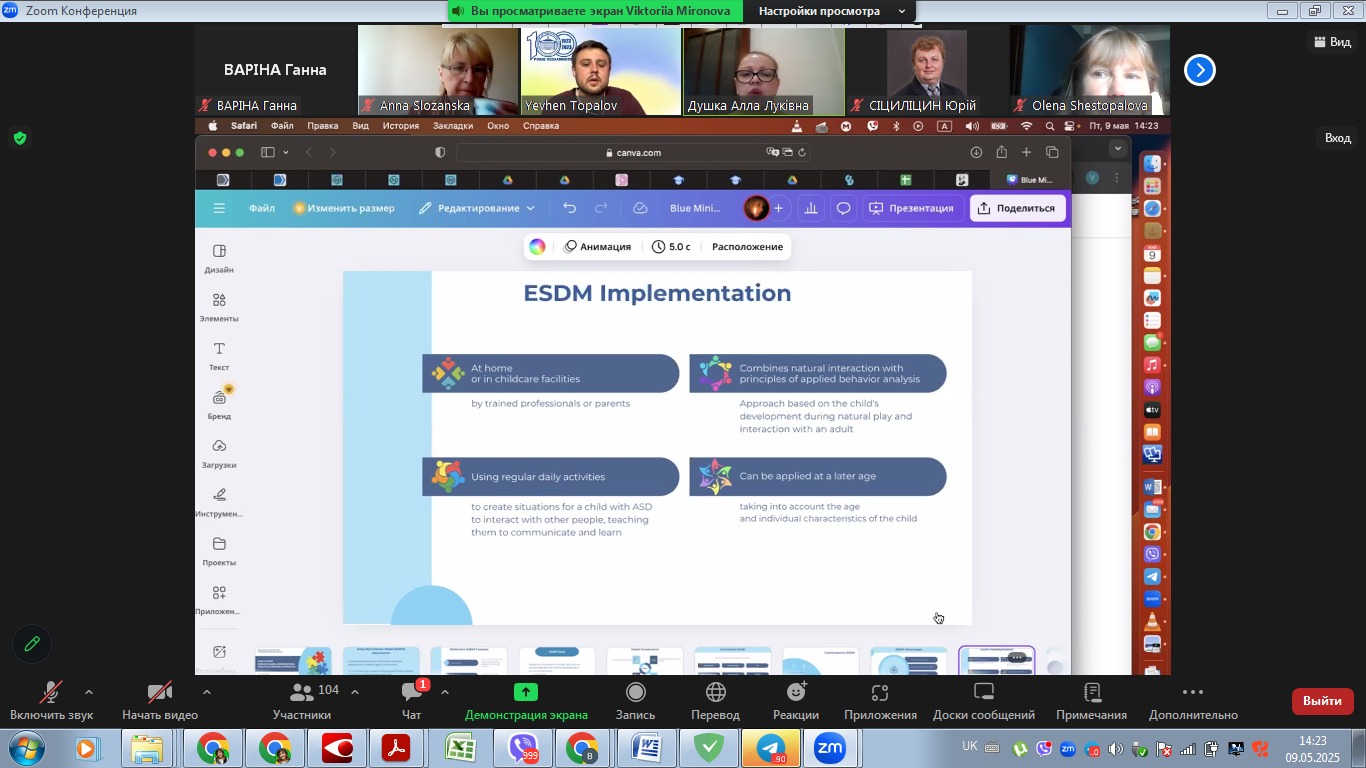
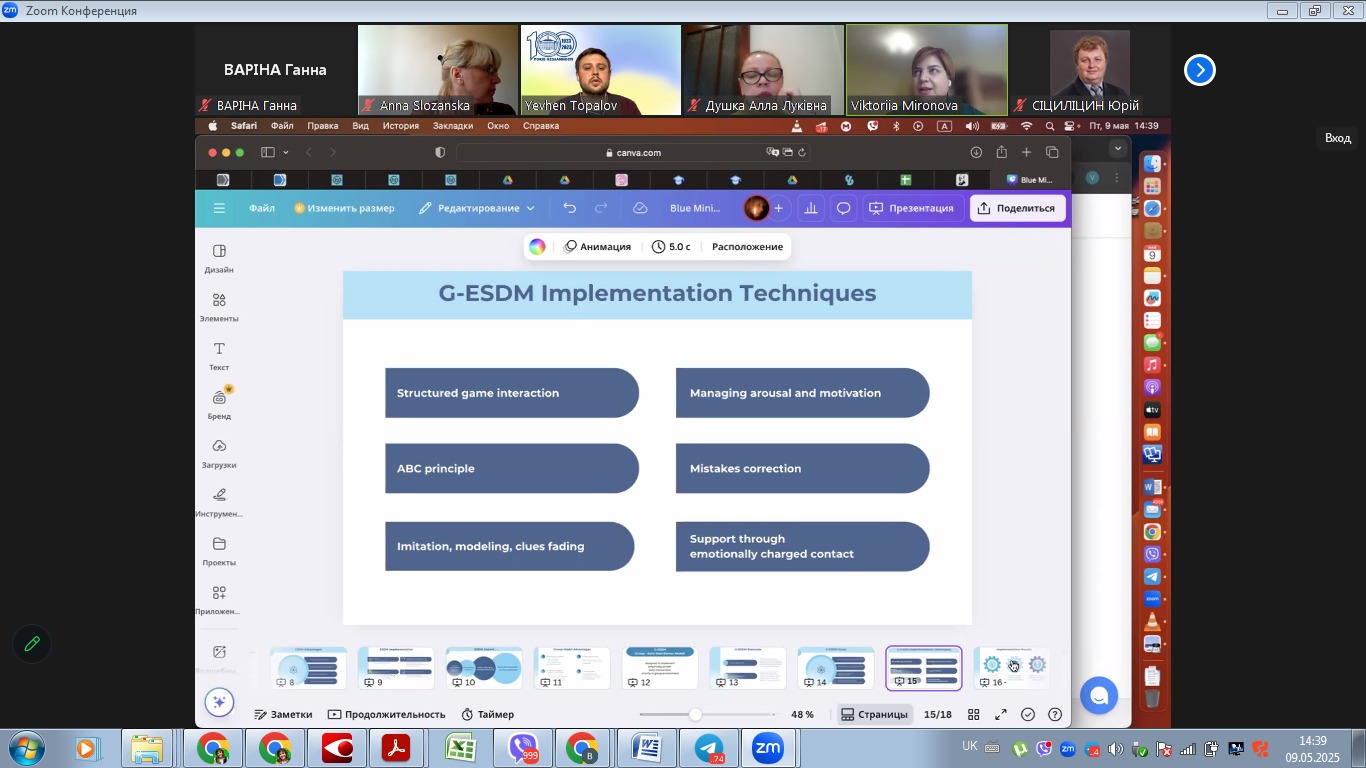
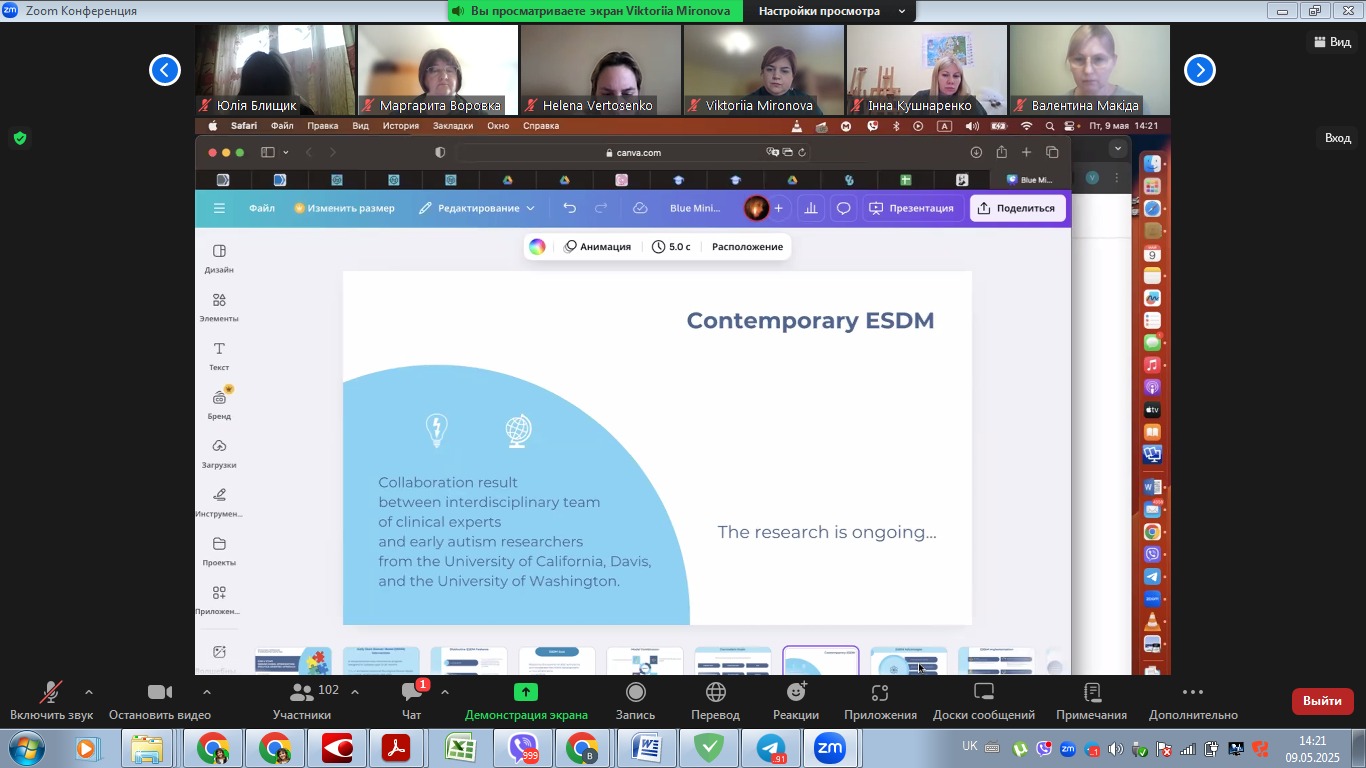
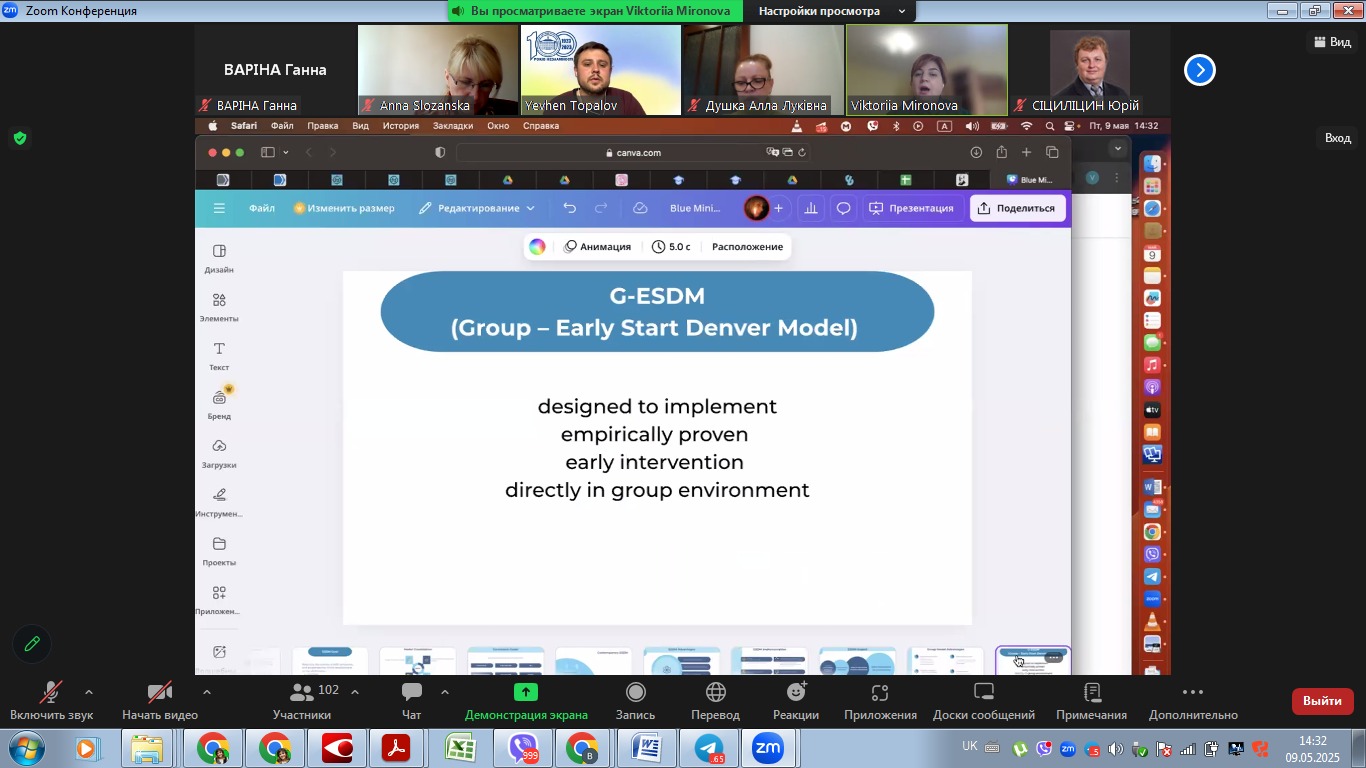
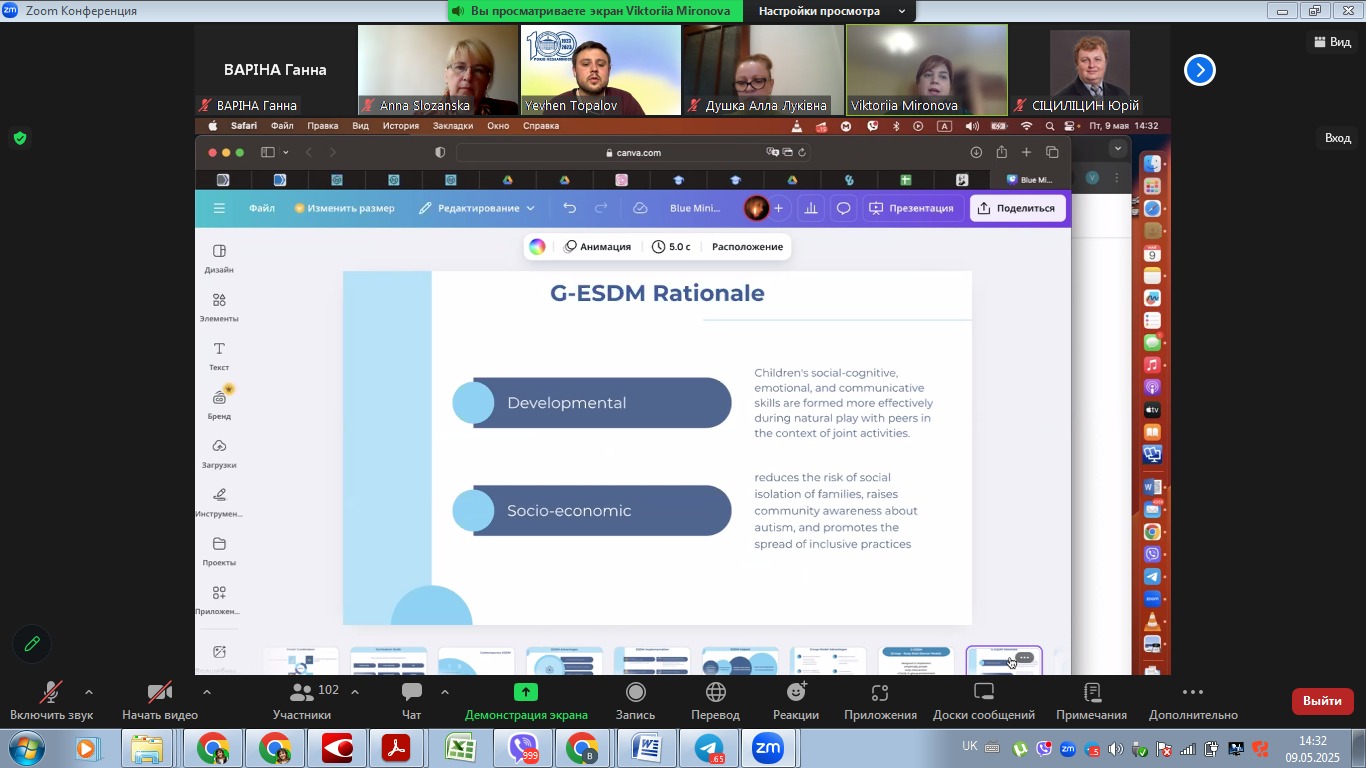
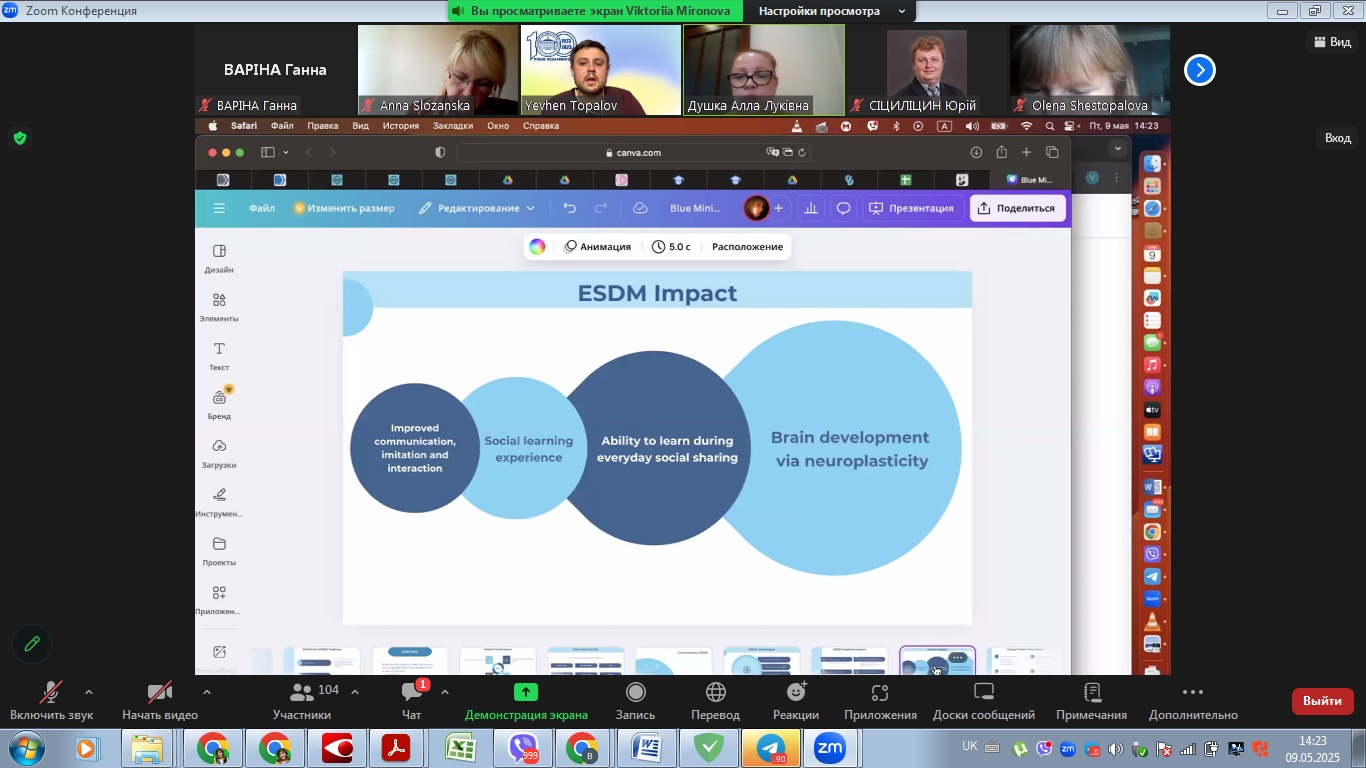
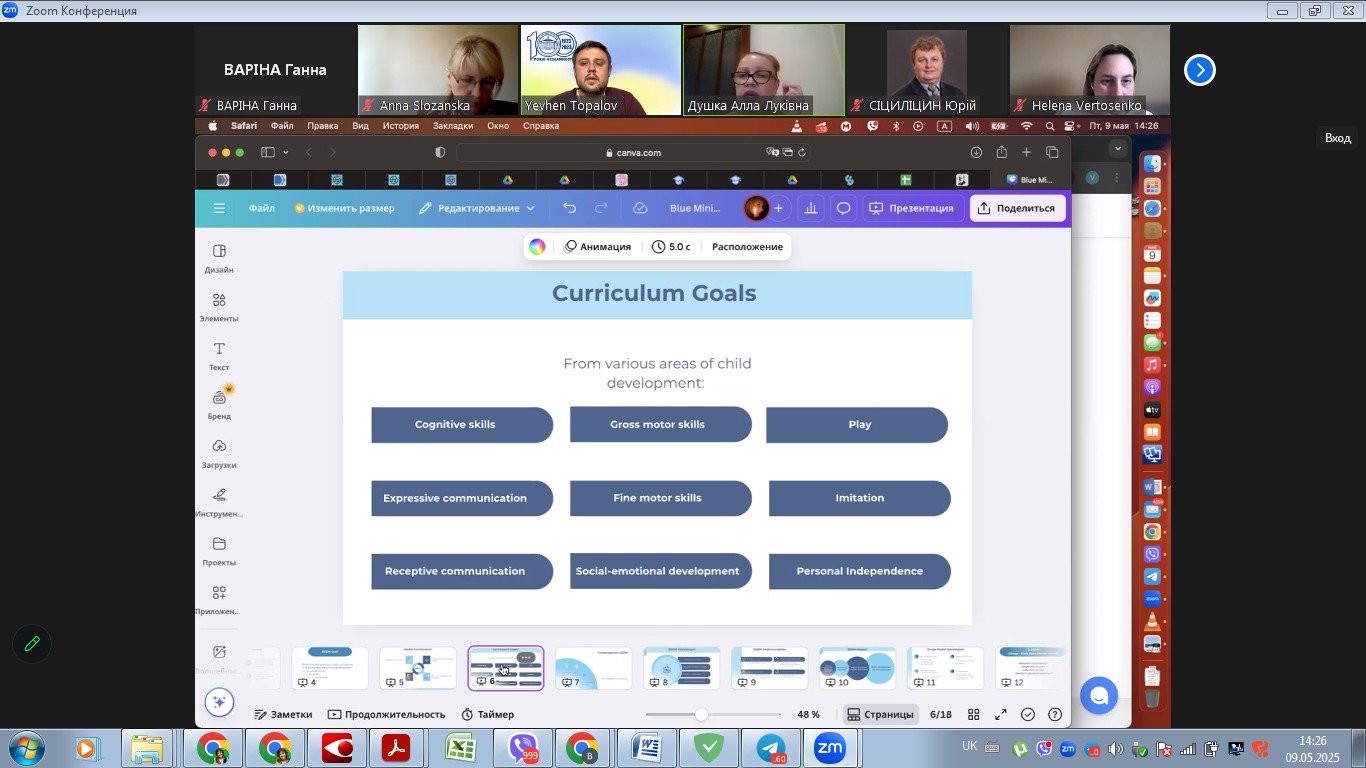
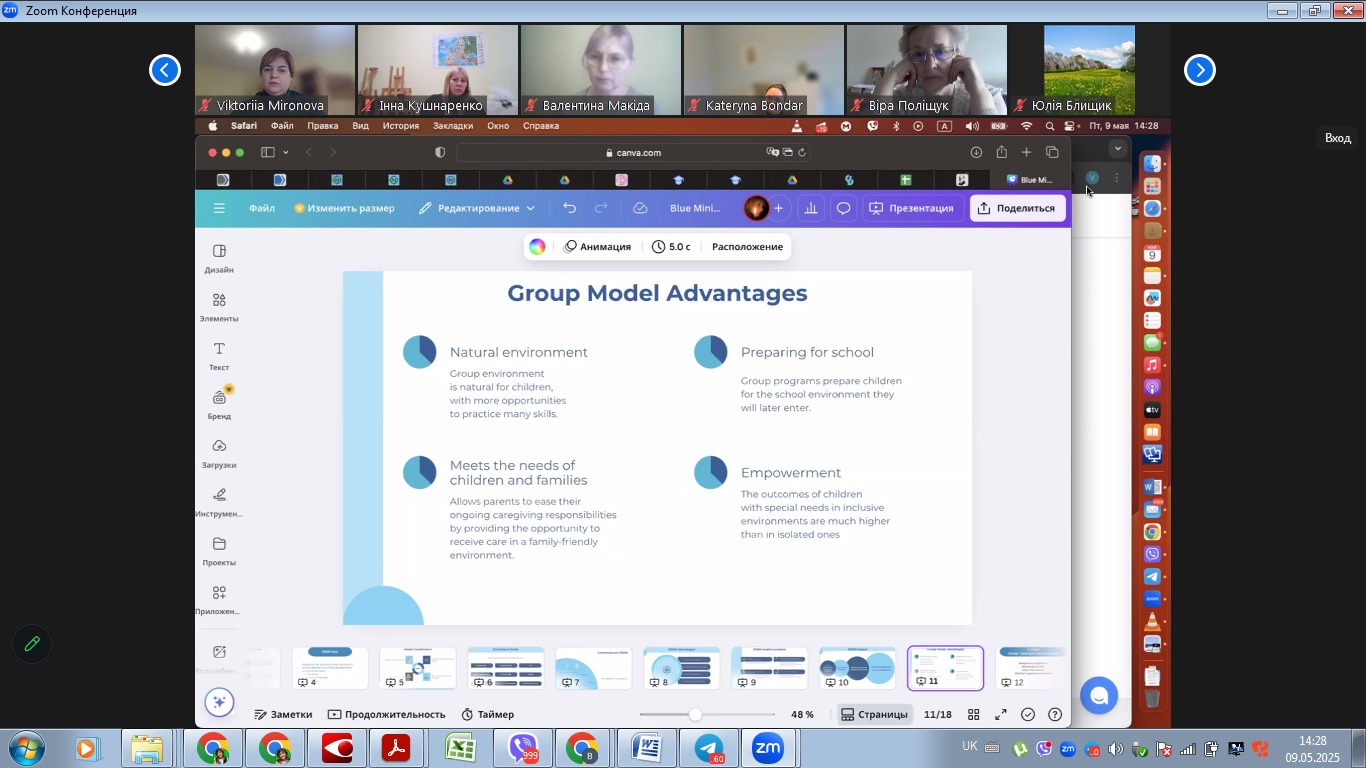
Професорка Алла Душка (Богдан Хмельницький Мелітопольський державний педагогічний університет) разом із Вікторією Міроновою (директоркою інклюзивного дитячого садка «Клуб Вікторії Міронової», м. Київ) представили практично орієнтовану доповідь, присвячену Моделі раннього втручання Denver (ESDM). Цей підхід передбачає інтенсивну та структуровану роботу з маленькими дітьми з розладами аутистичного спектра. Доповідачки поділилися власним досвідом застосування моделі в українських умовах, продемонстрували приклади індивідуалізованих програм розвитку, взаємодії з родинами та особливості командної роботи фахівців. Особливий акцент було зроблено на необхідності міждисциплінарної співпраці та адаптації методик до конкретних освітніх і соціальних умов.
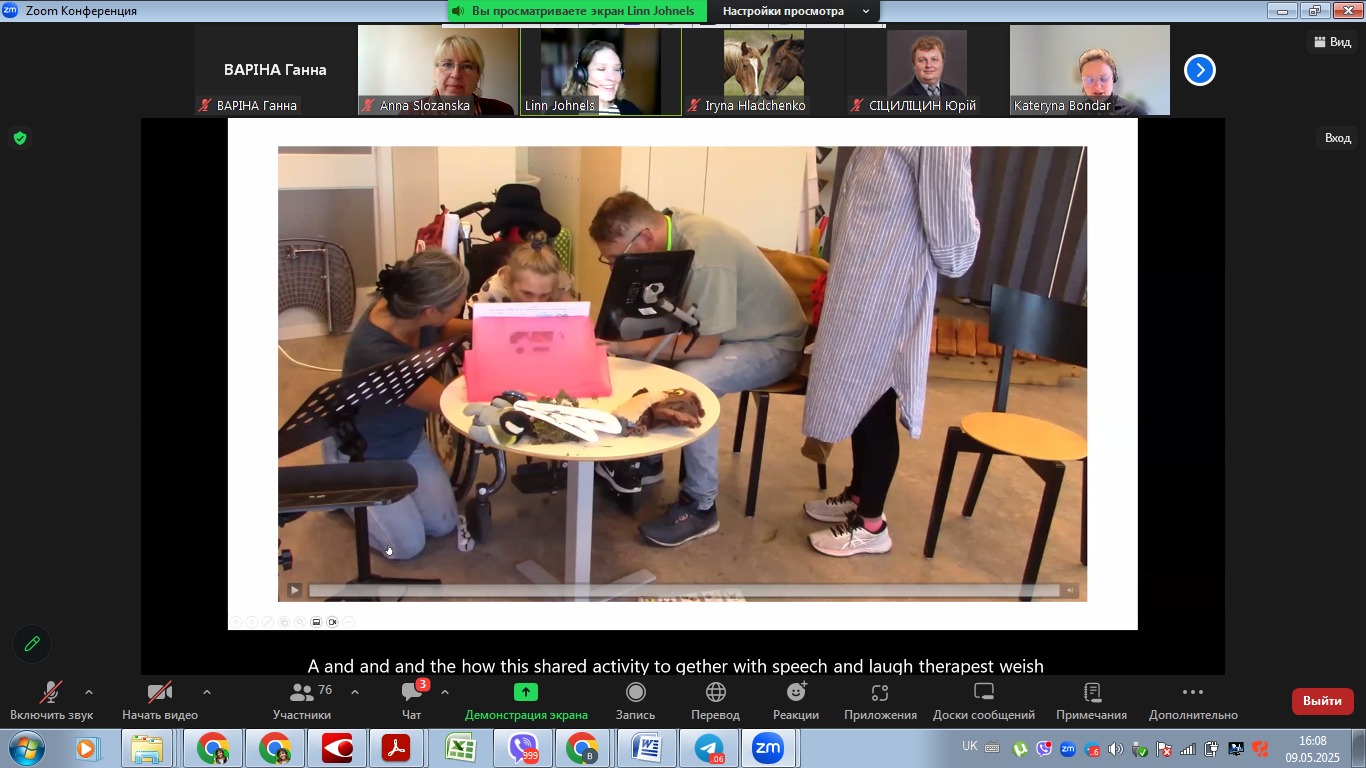
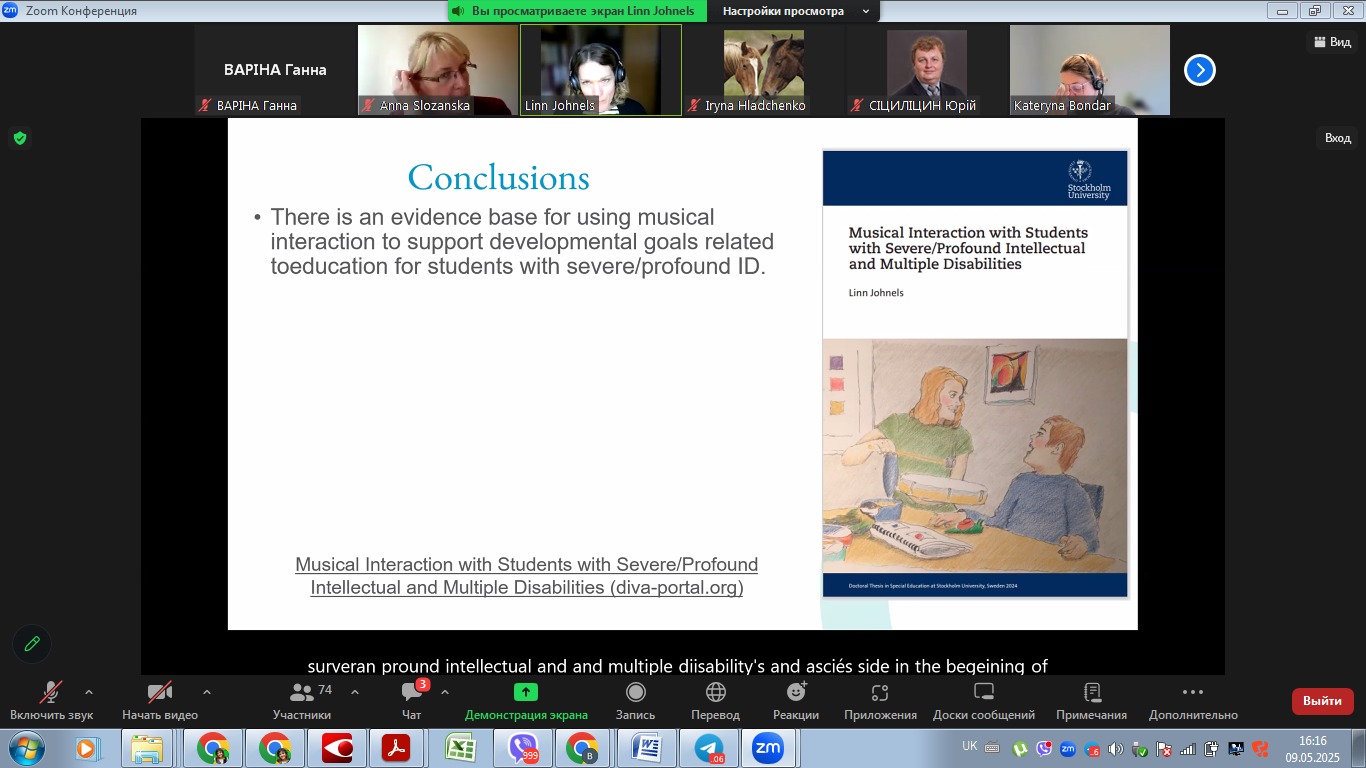
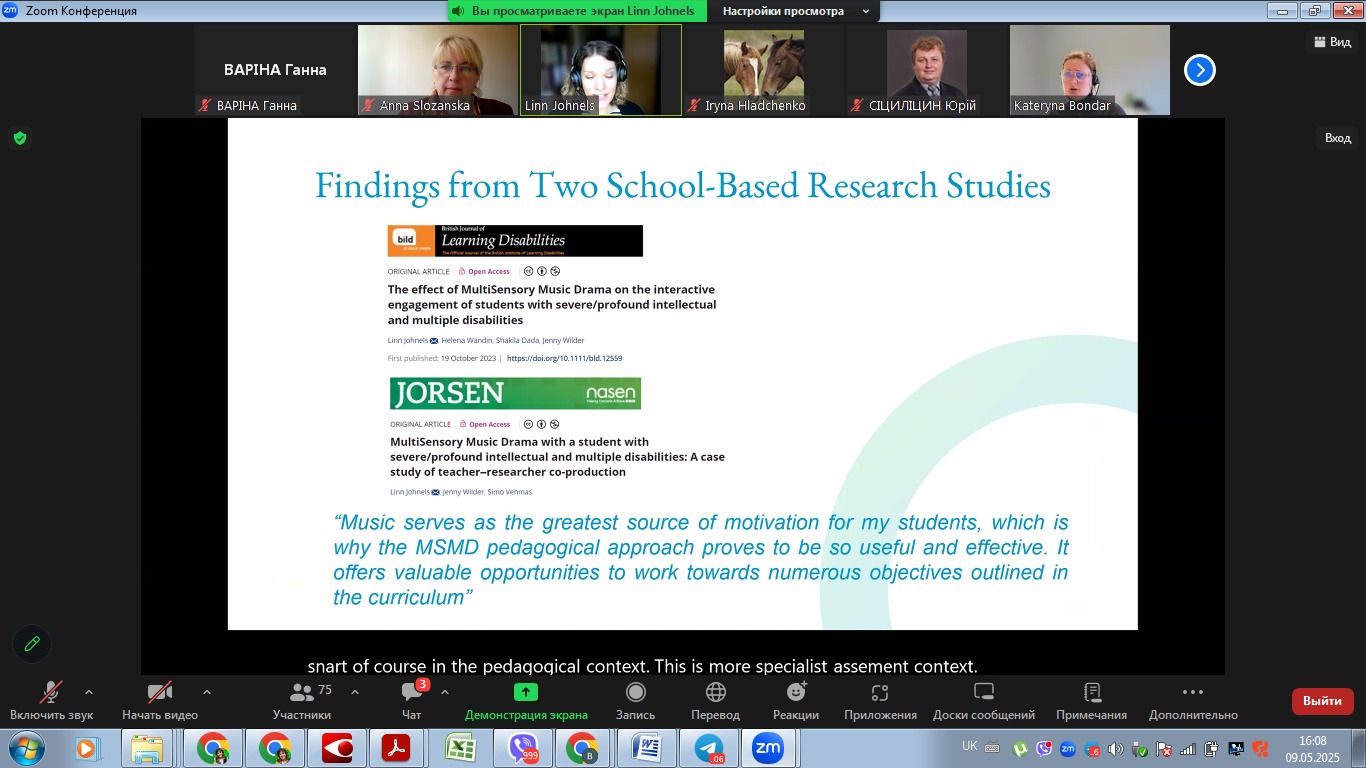
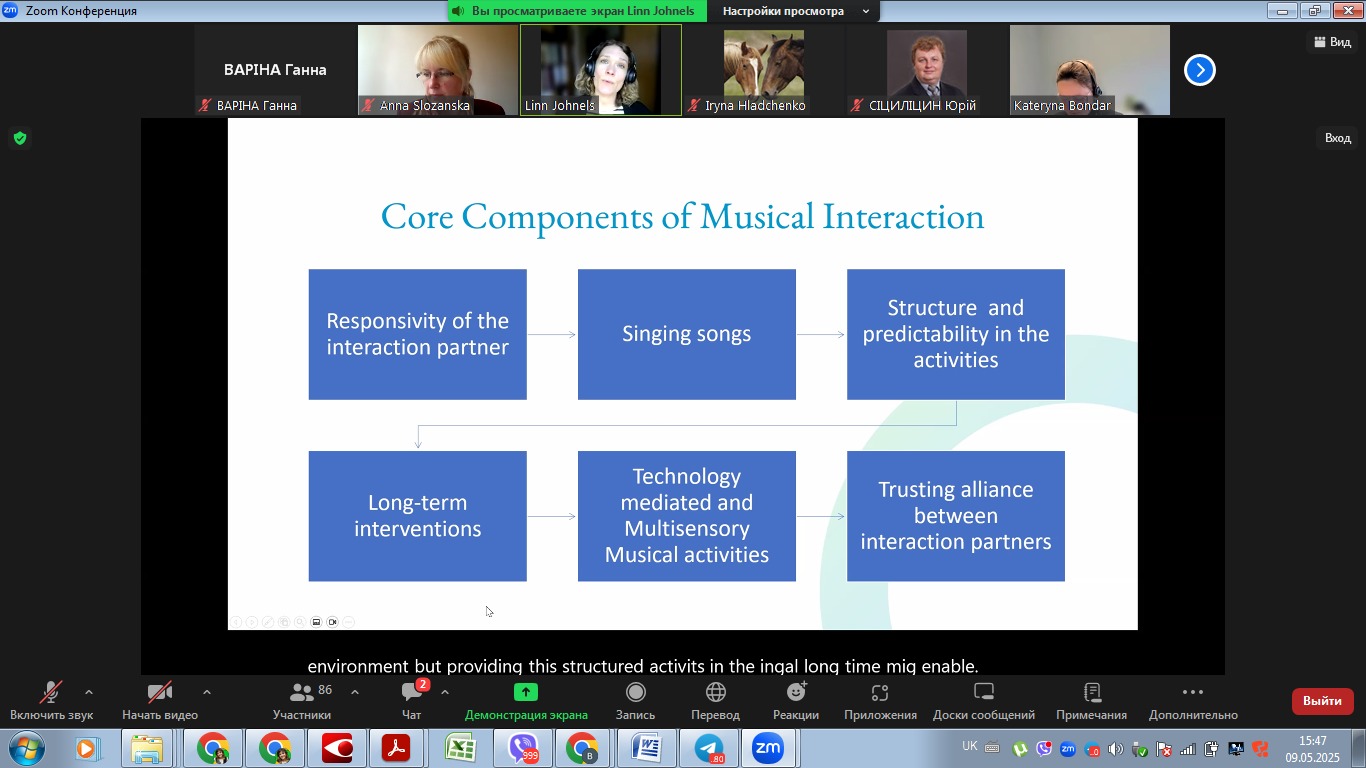
Докторка Лінн Йонелс, музичний терапевт і викладачка Університету Гетеборга (Швеція), представила доповідь на тему «Музична діяльність в освіті дітей з інтелектуальною інвалідністю». Вона розповіла про роль музики як інструменту розвитку комунікативних навичок, соціальної взаємодії, самовираження та емоційного благополуччя дітей з особливими освітніми потребами. У доповіді були представлені приклади практичних занять, елементи музичної імпровізації, вокальні та ритмічні вправи, що сприяють розвитку моторики та когнітивних функцій. Особливу увагу було приділено індивідуалізації музичних занять, а також важливості створення підтримувального та приймаючого середовища.
Семінар завершився жвавим обговоренням, під час якого учасники поставили численні запитання та поділилися власним досвідом впровадження інклюзивних підходів у своїх країнах.
Захід став важливим майданчиком для обміну ідеями та сприяв зміцненню міжнародної співпраці у сфері забезпечення права на якісну освіту для дітей з інтелектуальними порушеннями.
International Seminar “Educational Approaches in Kindergarten and School” Focused on Inclusive Practices and Early Intervention
On May 9, an international online seminar entitled “Educational Approaches in Kindergarten and School” was held within the framework of the project Enhancing the Participation and Ensuring the Right to Education for Children with Intellectual Disability: Developing Capacities and Opportunities (EPERE). The seminar took place on the Zoom platform and was accompanied by simultaneous interpretation in Ukrainian and English.
The seminar was chaired by Professor Anna Slozanska (Ternopil Volodymyr Hnatiuk National Pedagogical University, Ukraine).
Participants had the opportunity to become acquainted with advanced practices in the field of inclusive education presented by leading experts from Ukraine and Sweden.
Professor Alla Dushka (Bohdan Khmelnytsky Melitopol State Pedagogical University) together with Viktoriia Mironova, Director of the inclusive “Viktoriia Mironova Club-Kindergarten” (Kyiv, Ukraine), delivered a practice-oriented presentation on the Early Start Denver Model (ESDM). This approach involves intensive and structured intervention for young children with autism spectrum disorders. The speakers shared their experience of implementing the model in the Ukrainian context, presented examples of individualized development programs, collaboration with families, and features of multidisciplinary teamwork. Special emphasis was placed on the importance of interdisciplinary cooperation and adapting methods to specific educational and social contexts.
Dr. Linn Jonhles, music therapist and educator at the University of Gothenburg, Sweden, presented a paper entitled “Music Activities in the Education of Children with Intellectual Disability”. She highlighted the role of music as a tool for developing communication skills, social interaction, self-expression, and emotional well-being of children with special educational needs. The presentation included examples of practical activities, elements of musical improvisation, vocal and rhythmic exercises that support the development of motor and cognitive skills. Particular attention was paid to the individualization of music activities and the importance of creating a supportive and inclusive learning environment.
The seminar concluded with an active discussion, during which participants asked numerous questions and shared their own experiences of implementing inclusive approaches in their respective countries.
The event became an important platform for the exchange of ideas and contributed to strengthening international cooperation in ensuring the right to quality education for children with intellectual disabilities.