Task 3.4
Ukrainian
Триває імплементація міжнародного проєкту ERASMUS+ “Developing Future Educators’ Digital Competence Through Introducing Robotics into Curriculum” (Грантова угода № 101179514 – EduRob), спрямованого на розвиток цифрових компетентностей майбутніх педагогів шляхом інтеграції робототехніки в освітні програми.
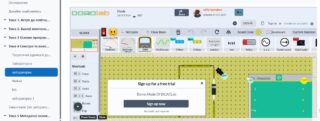
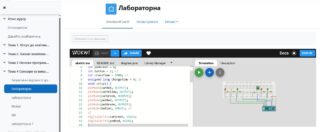
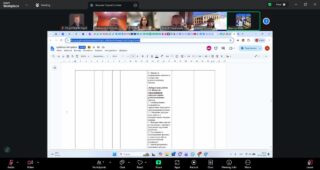
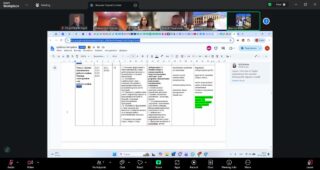
Так, 26-27 травня 2026 року в межах реалізації робочого пакету 3 (Task 3.4) відбулися консультаційні зустрічі з фахівцями Тартуського Університету (Естонія) щодо особливостей розробки бакалаврських курсів та навчально-методичних матеріалів до них. Під час зустрічей обговорювалися підходи до створення сучасних освітніх компонентів: «Робототехніка та цифрові компетентності в дошкільній освіті», «Робототехніка та цифрові компетентності в початковій освіті», «Робототехніка та цифрові компетентності в середній освіті», а також освітнього компоненту для технічних спеціальностей.
Учасники консультацій здійснювали детальний перегляд і аналіз силабусів майбутніх курсів, обговорювали структуру навчальних модулів, результати навчання, методи оцінювання та відповідність змісту курсів сучасним європейським підходам до цифрової освіти. Особливу увагу було приділено розробці практикоорієнтованих завдань, інтеграції робототехнічних платформ у навчальний процес, формуванню навичок критичного мислення, командної роботи та цифрової грамотності здобувачів освіти різних рівнів.Проведені консультації стали важливим етапом у розробці інноваційних освітніх компонентів, що сприятимуть підготовці конкурентоспроможних фахівців, здатних ефективно використовувати робототехніку та цифрові технології у професійній діяльності.
English
RASMUS+ project “Developing Future Educators’ Digital Competence Through Introducing Robotics into Curriculum” (Grant Agreement No. 101179514 – EduRob)
The implementation of the international ERASMUS+ project “Developing Future Educators’ Digital Competence Through Introducing Robotics into Curriculum” (Grant Agreement No. 101179514 – EduRob), aimed at enhancing future educators’ digital competences through the integration of robotics into educational curricula, is in its active phase.
Thus, on May 26-27, 2026, within the framework of Work Package 3 (Task 3.4), consultation meetings were held with specialists from the University of Tartu (Estonia) regarding the development of Bachelor’s courses and related teaching and methodological materials. During the meetings, approaches to designing modern educational components were discussed, including “Robotics and Digital Competences in Preschool Education”, “Robotics and Digital Competences for Primary Schools”, “Robotics and Digital Competences for Secondary Schools”, as well as an educational component for technical specialities.
The participants of the consultations conducted a detailed review and analysis of the syllabi of the future courses, discussed the structure of the study modules, learning outcomes, assessment methods, and the compliance of the course content with modern European approaches to digital education. Special attention was paid to the development of practice-oriented tasks, the integration of robotics platforms into the educational process, and the formation of critical thinking, teamwork, and digital literacy skills among learners at different educational levels. The consultations became an important stage in the development of innovative educational components that will contribute to the training of competitive specialists capable of effectively using robotics and digital technologies in their professional activities.
“Co-funded by the European Union. Views and opinions expressed are however those of the author(s) only and do not necessarily reflect those of the European Union or the European Education and Culture Executive Agency (EACEA). Neither the European Union nor the granting authority can be held responsible for them”.